Stopping the British: Upgrading the Brakes on an MGB GT
When it comes to British roadsters, the MGB is king. MG made a zillion of them so there are lots to choose from, parts are readily available, and the cars are affordable for just about anyone.…
Featured image · Stopping the British: Upgrading the Brakes on an MGB GT
When it comes to British roadsters, the MGB is king. MG made a zillion of them so there are lots to choose from, parts are readily available, and the cars are affordable for just about anyone. A good example is our 1967 MGB GT. Purchased for just $2,500, the car was solid and it ran, which fit the bill for our plans to build a “penny racer” style rally car.
We recently updated the suspension with polyurethane bushings from Summit Racing. Yes, Summit Racing has MGB parts—everything from wheel bearings to headers, gaskets, distributors, even small stuff like ballast resistors and oil pressure senders.
When we needed to upgrade the stopping power of our GT, Summit Racing had us covered too. We picked up a set of Brembo rotors, EBC brake pads, new hoses, and low-friction wheel bearings along with a dual-reservoir master cylinder and new wheel cylinders for the rear drums. The fact that Summit Racing actually carries this stuff in stock is pretty dang impressive.
These are all stock-type replacement parts, save for the brake pads and discs. The OE-style Brembo discs and the EBC brake pads are made for high performance street use. These upgrades should bring the rowdy GT to heel. We are not dealing with a lot of horsepower (98 to be exact) or weight; we’ve shaved enough mass to get the car well under 2,000 pounds.
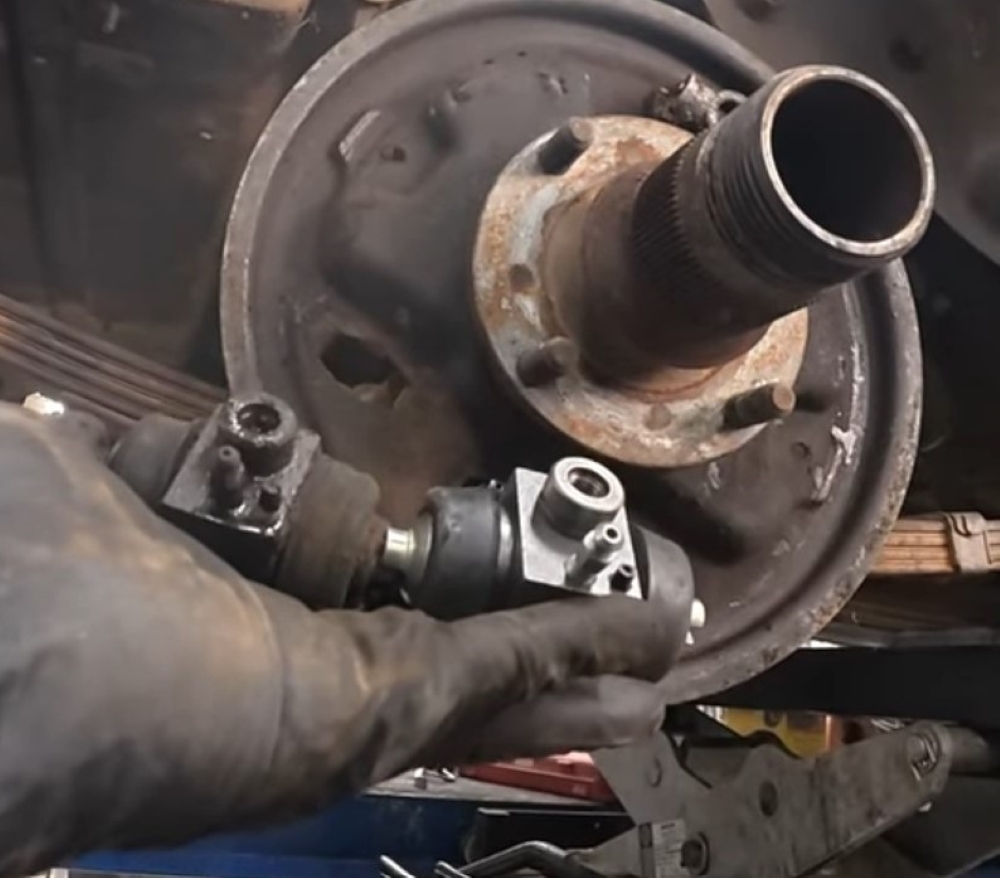
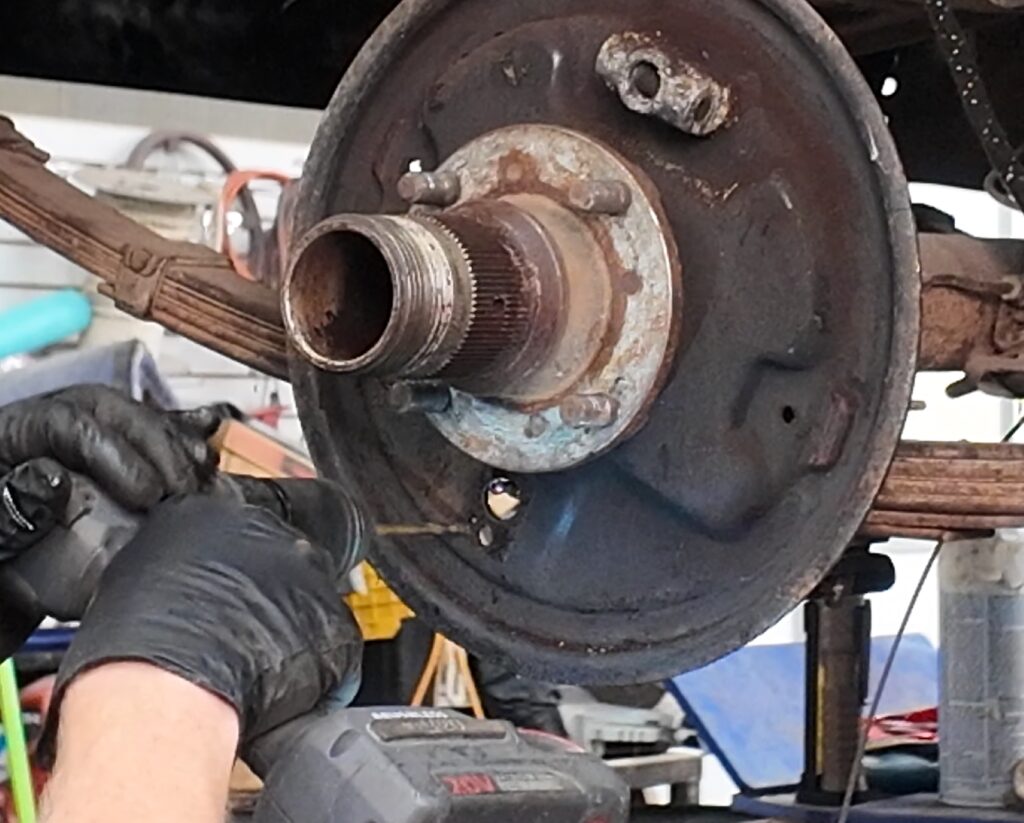
All of the parts fit perfectly, with one exception. The rear wheel cylinders are the correct parts; however, the locating pins are about a 1/4-inch lower than the holes in the backing plates. We believe this was a running change at the factory. We solutioned it by drilling and slotting the original backing plate holes to accommodate the locating pins.
We also removed the emergency brake cables as they were seized up. We plan on installing a hydraulic E-brake down the road ‘cause this is a rally car and drifting around the curves is required.
With fresh brakes, our little MGB GT rally car is ready to carve corners on the track and the street. You can see some of the installation highlights in the photos; this Hemmings YouTube video will walk you through the entire process.
Parts List Brembo Prime Brake Rotors BBO-08-1630-10 EBC Greenstuff Brake Pads EBC-DP2107 DRP Performance Low-Drag Front Wheel Bearing DPR-00710581BR Timkin Wheel Seal TMK-224820 Beck/Arnley Wheel Cylinder BCK-072-2330 Beck/Arnley Rear Brake Hose BCK-073-0150 Beck/Arnley Rear Brake Hose BCK-073-0143 URO Parts Master Cylinder URO-005932
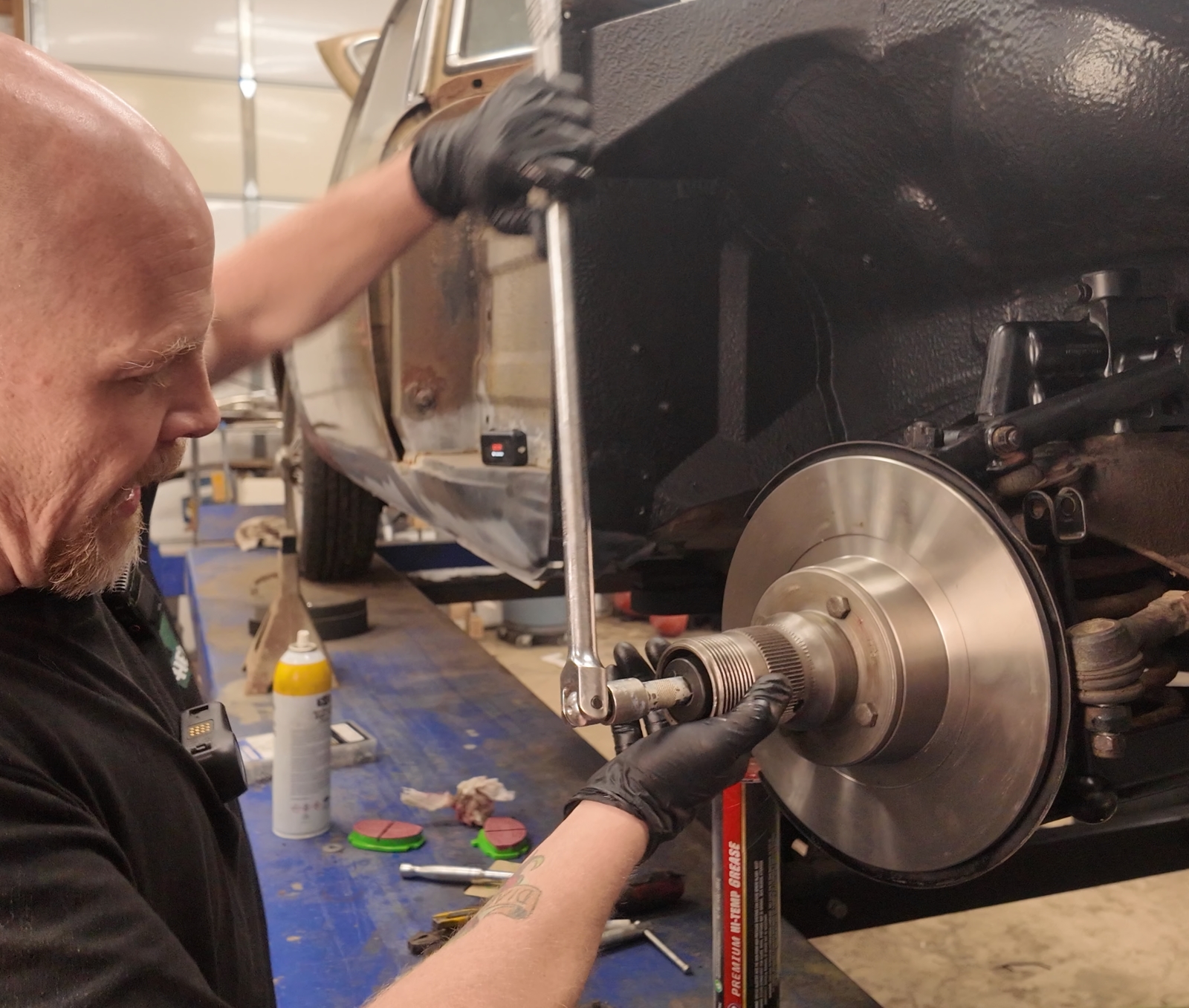
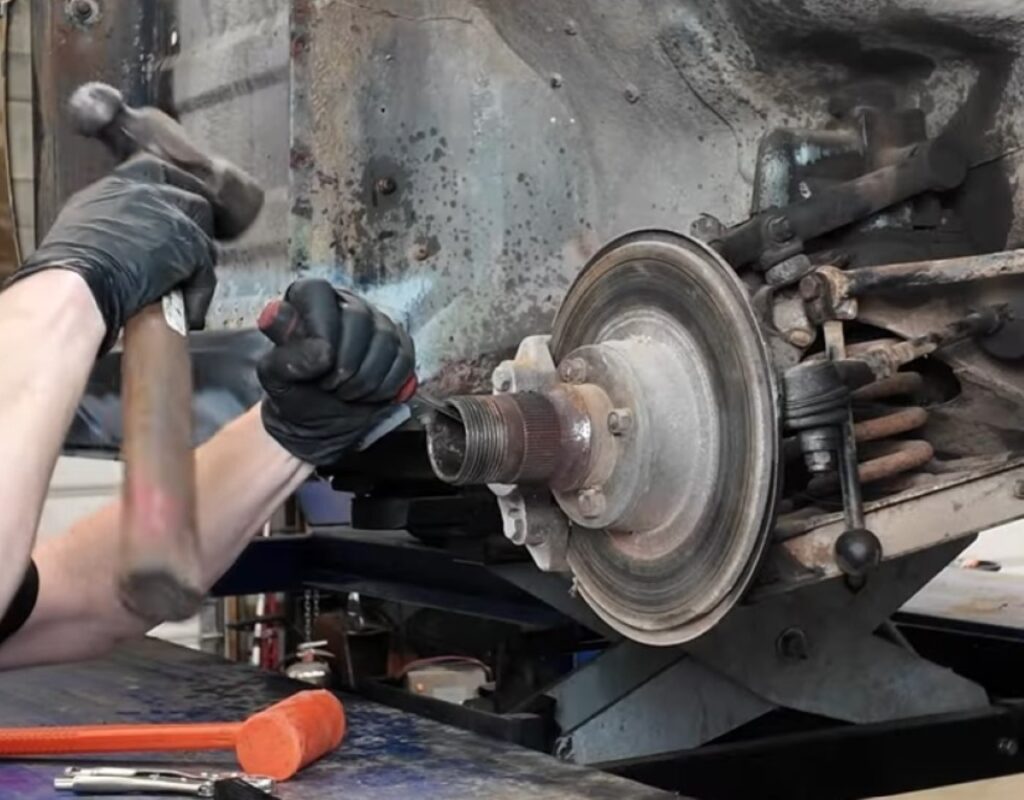
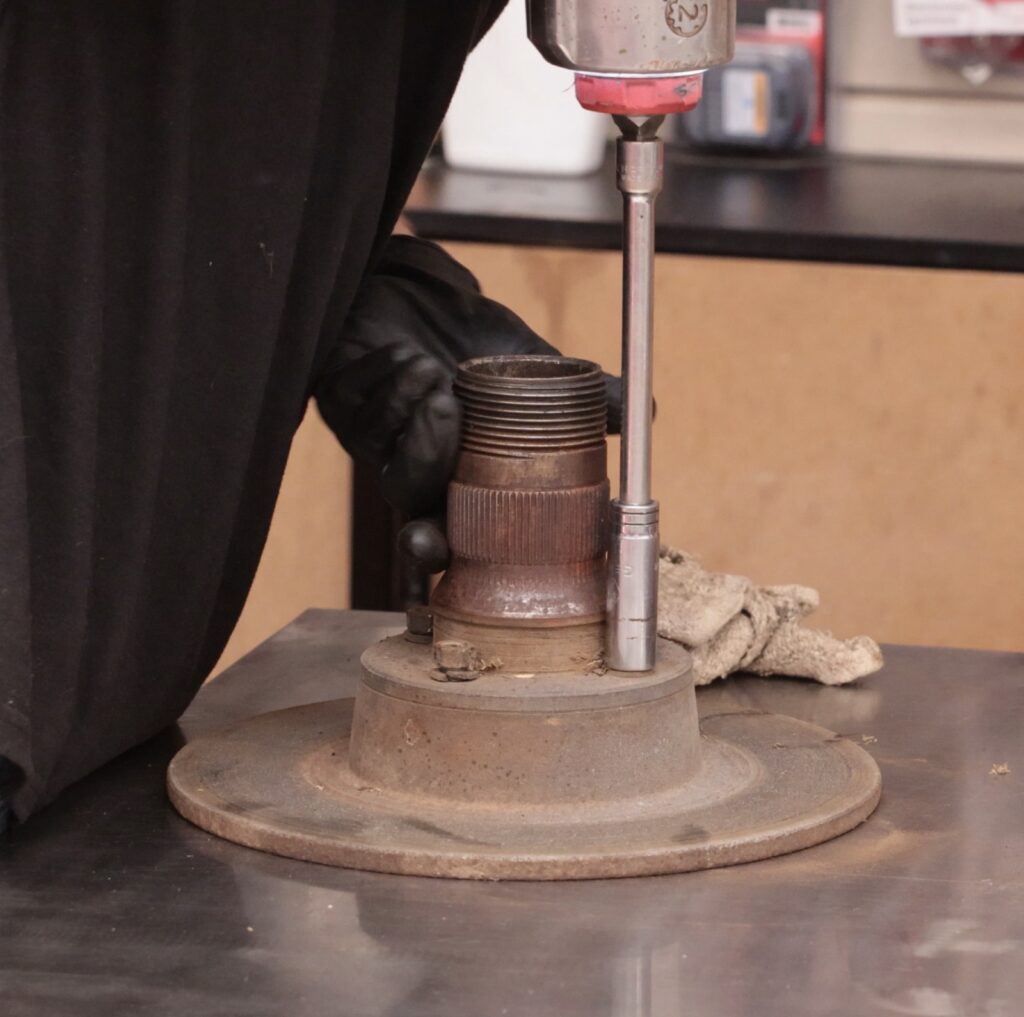
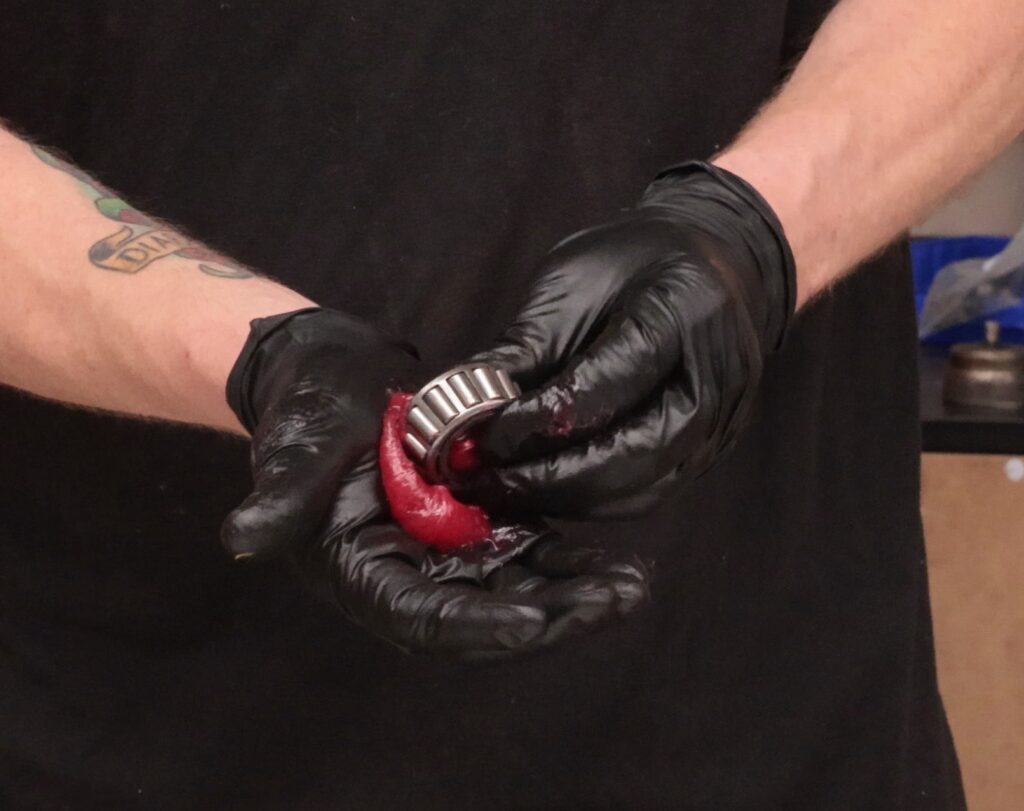
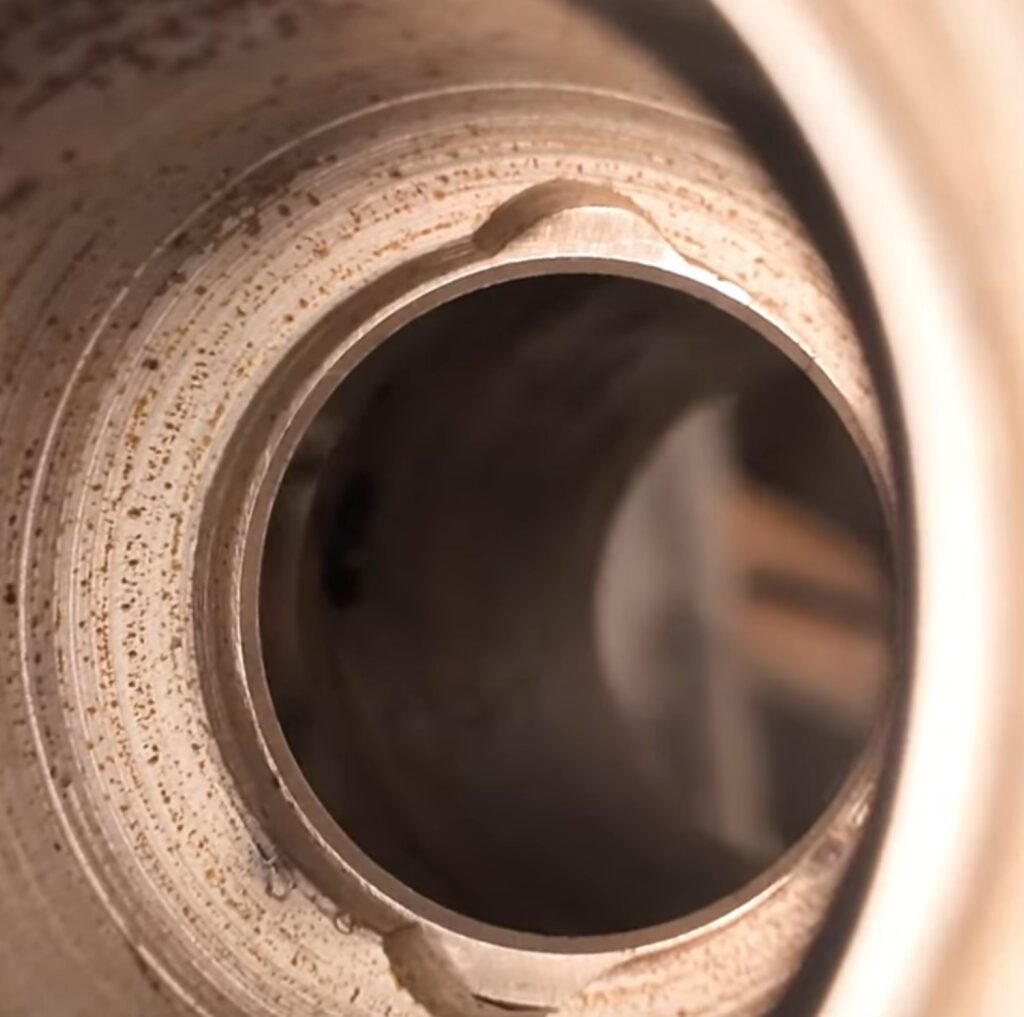
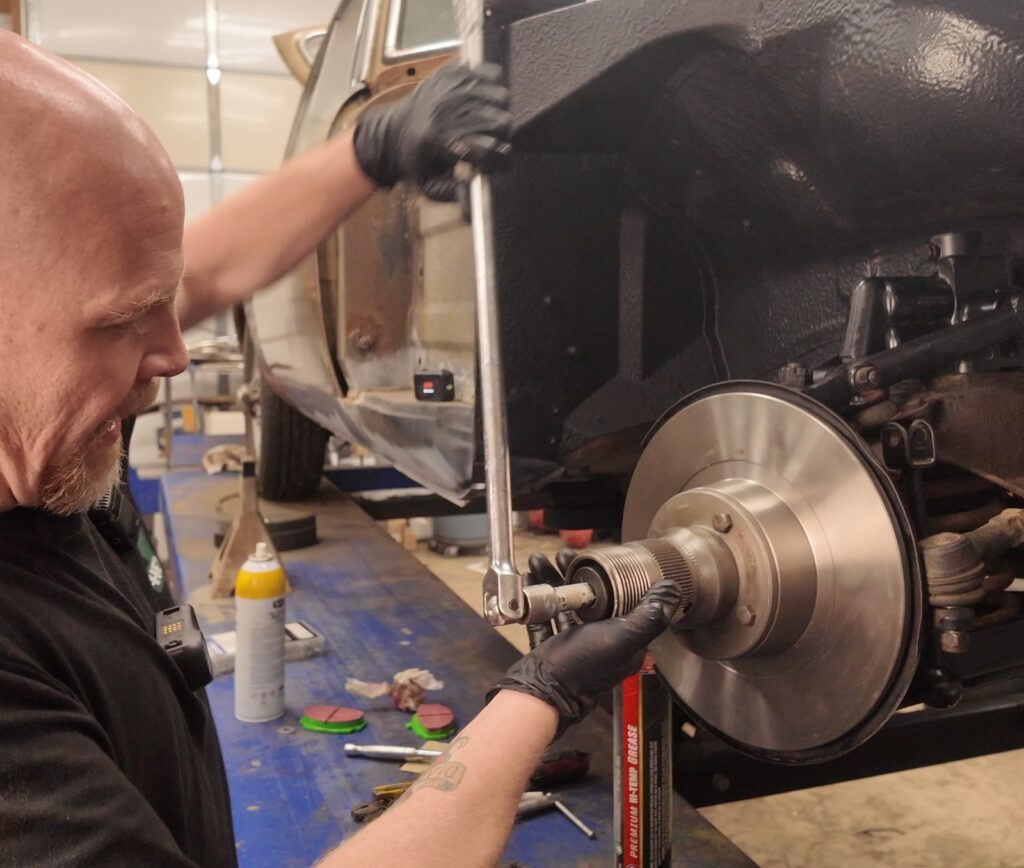
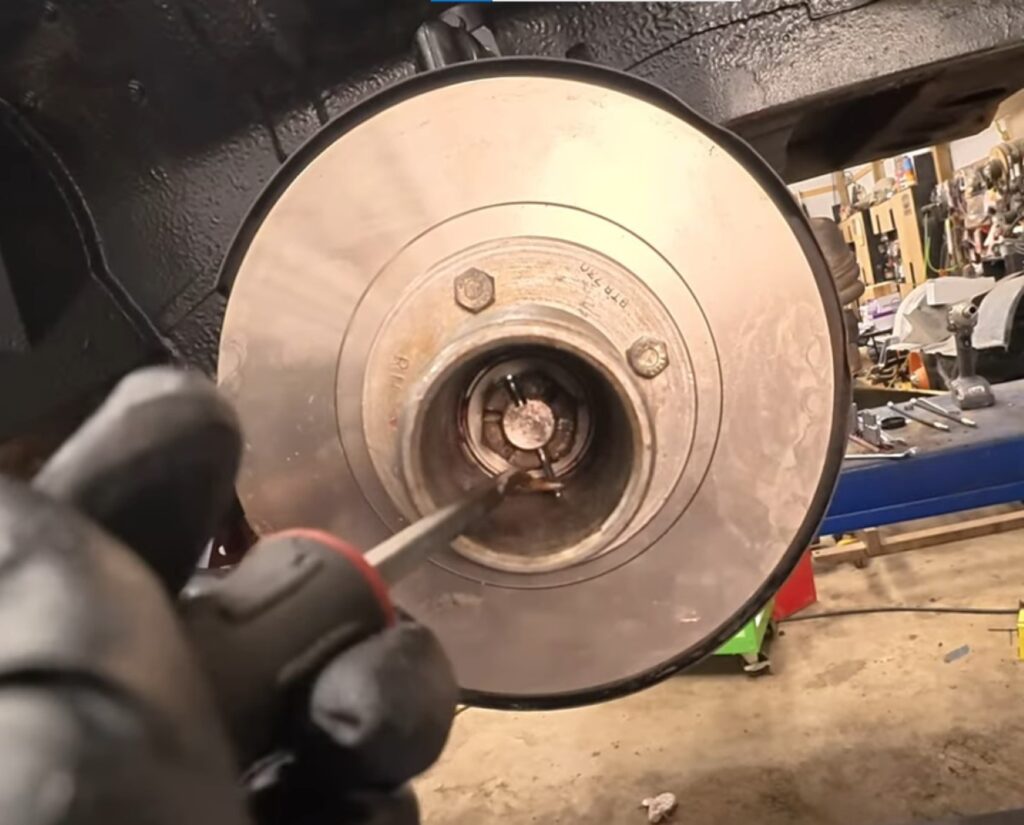
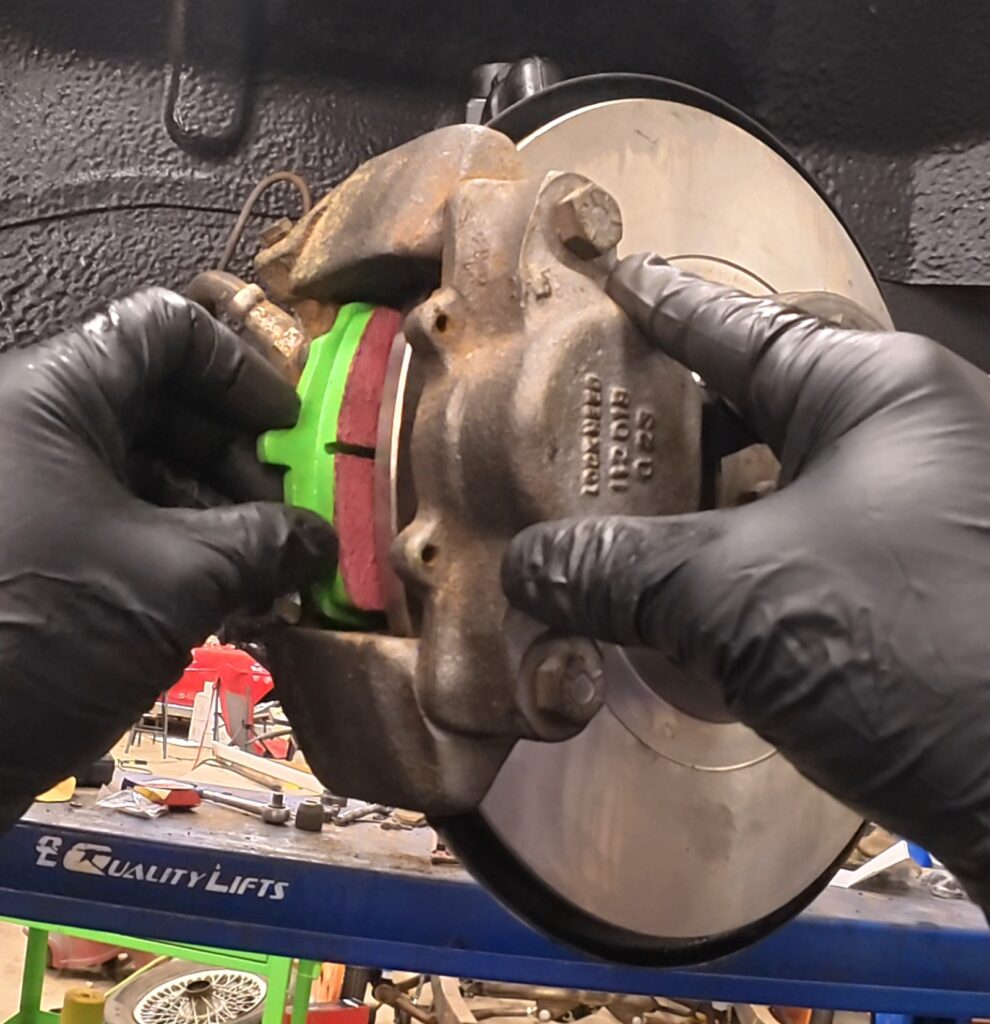
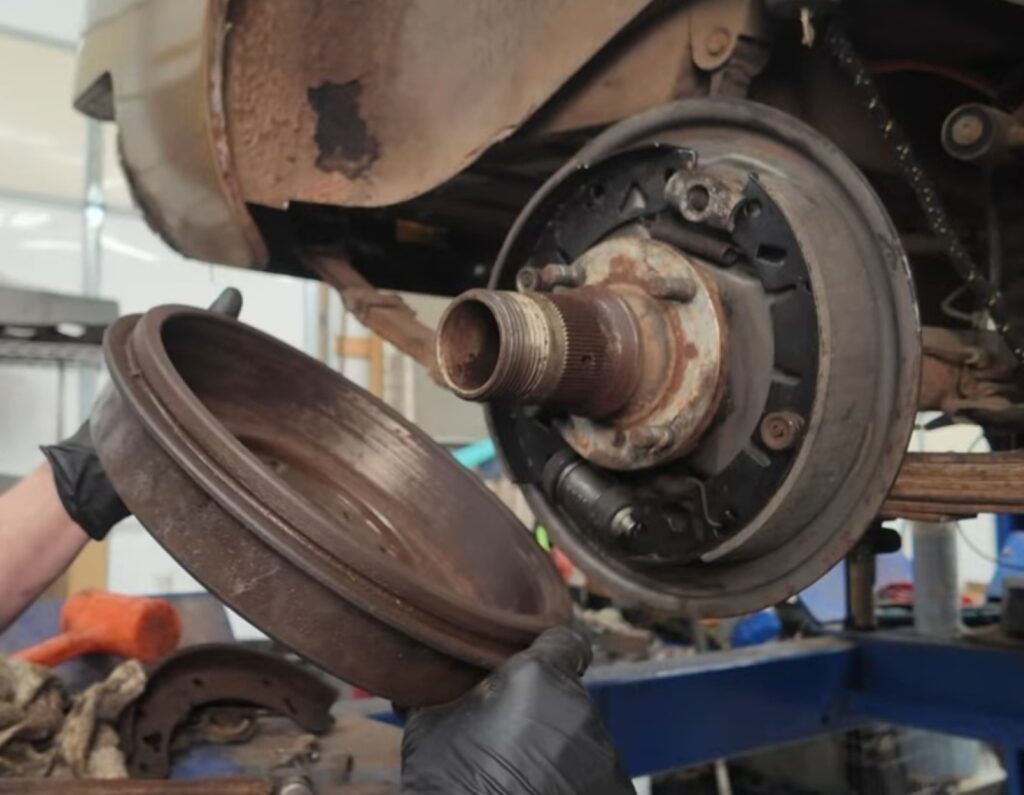
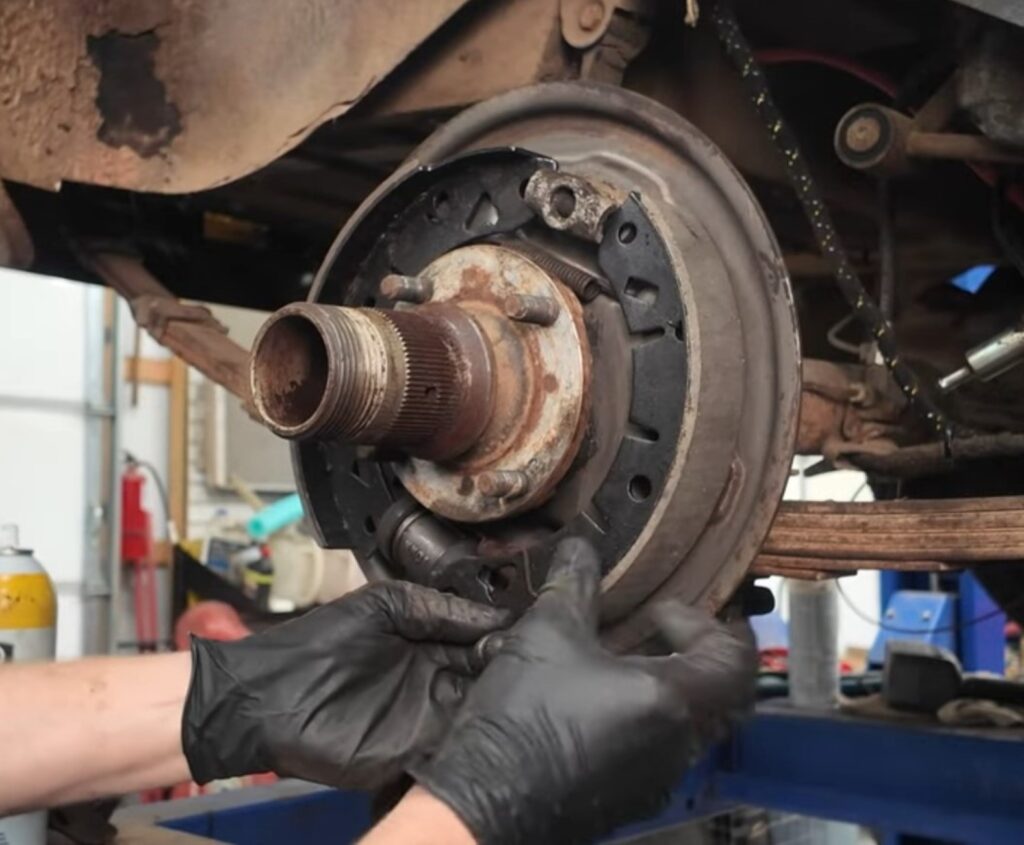
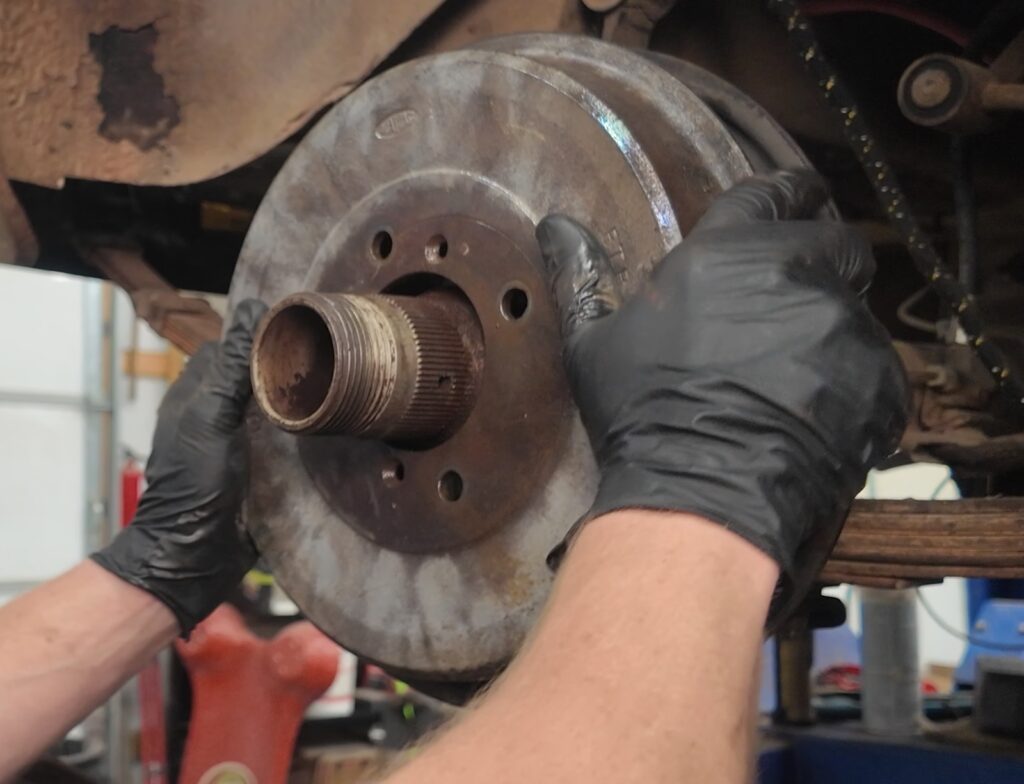
The front brake rotors on MGBs are bolted to the hub. There is a castle nut with a cotter pin inside the hub. Here we’re knocking out the cotter pin before loosening the castle nut with an impact gun and a 1.25-inch socket. (Image/Jefferson Bryant) The brake rotors are unbolted from the hub and the wheel bearings removed. The hubs will be full of old grease; I dunked them in a bucket of degreaser to clean the gunk out. (Image/Jefferson Bryant)Since the GT will be a rally car, we replaced the old wheel bearings with DRP low-drag bearings. The bearings are polished to remove grind marks and provide the smoothest surface possible. The reduced friction can lower bearing temperature by 100 degrees F and reduce rolling resistance up to 250% versus standard bearings. Pack the bearings with high temperature wheel bearing grease, not general purpose grease. Summit Racing™ High-Temp EP Grease and Timkin Wheel Bearing Grease are good choices. (Image/Jefferson Bryant)The wheel bearing races in the hubs cannot be removed with a press. You have to tap them out with a hammer and punch at the notches machined into the hub. It’s tedious, but necessary for longer bearing life. (Image/Jefferson Bryant)After sliding the hub and brake rotor assembly on the spindle, the washer and castle nut are installed but not fully torqued. That’s because you need to seat the wheel bearings by spinning the rotor while tightening and loosening the nut. Do this several times to ensure the bearings are seated. (Image/Jefferson Bryant)After seating the bearings, make sure the castle nut cotter pin holes are lined up and tighten the nut to 10 lbs.-ft. You should feel just a little bit of drag when you spin the rotor. The cotter pin goes in as shown. (Image/Jefferson Bryant)The EBC Greenstuff brake pads drop into the caliper from the top, making pad changes quick. The organic friction material bites quickly and reduces stopping distances compared to stock pads, but is soft enough that it won’t damage iron rotors. The pads can handle temperatures up to 1,100 degrees F. (Image/Jefferson Bryant)We moved to the rear of the car to work on the drum brakes. Factory MGB drums are pretty heavy duty and can be turned to restore the inner lining. That’s what we will be doing. Summit Racing carries Bendix replacement drums If you need or want new ones. (Image/Jefferson Bryant)When we compared the factory wheel cylinder on the left with the Beck/Arnley replacement, we noticed the locating pin on the new cylinder is set lower. It’s the correct part—we suspect there was a running change during the MGB’s long production life. (Image/Jefferson Bryant)We slotted the locating pin hole in the backing plate with a 3/16-inch drill bit to accommodate the new wheel cylinder. Make sure you slot the pin hole downward, not up. (image/Jefferson Bryant)Once the wheel cylinder is plumbed, we installed the new brake shoes. We reused the old hardware after cleaning it up. If you need new hardware, it’s readily available from various MG suppliers. (Image/Jefferson Bryant)We installed the original drums for now, but we will get them turned before we put the GT back on the road. (Image/Jefferson Bryant)
Written by
admin
Automotive correspondent covering reviews, guides, and industry analysis for readers who want depth.