Though it’s only existed for roughly half of America’s 250-year history, few technologies have shaped our country’s culture as profoundly as the automobile.
When the U.S. automotive industry began it was simply focused on improving transportation, but over the years it has become about so much more. America’s automotive eras serve as a reflection of our nation’s ambitions, economic fortunes, technological innovations and evolving lifestyles.
From the earliest horseless carriages to the electric vehicles of today, each automotive era has left a distinct mark on our nation’s history.
America’s First Automobiles
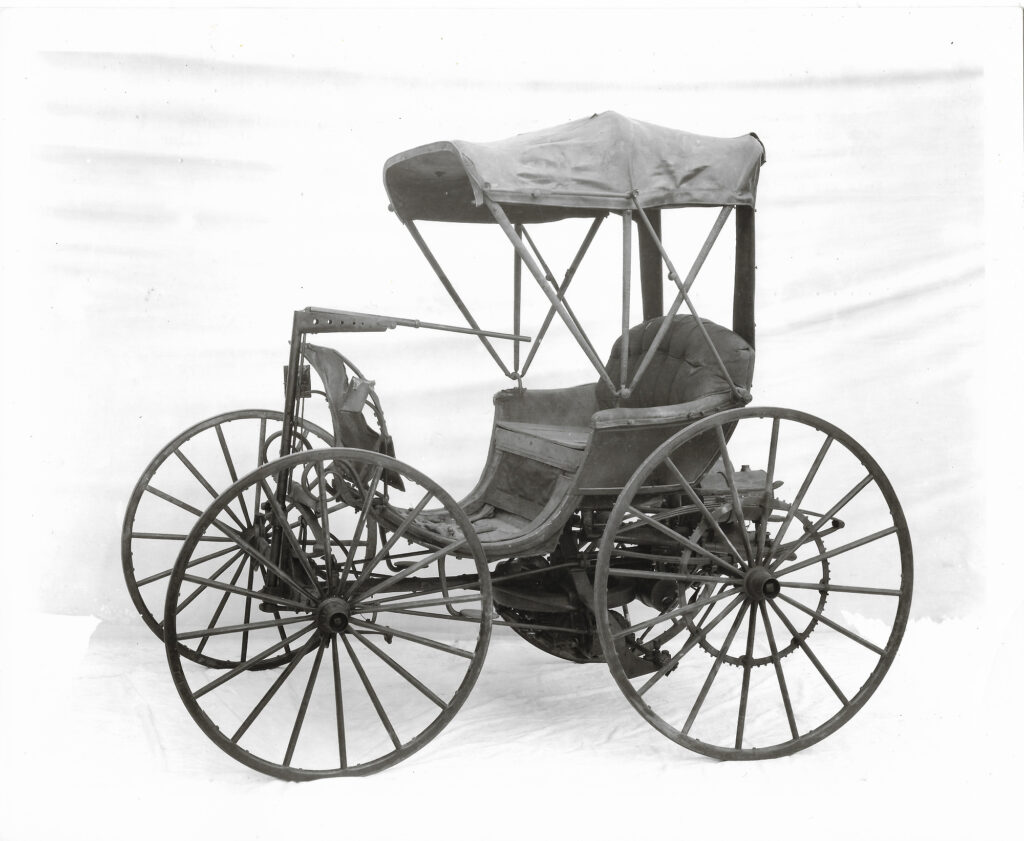
America’s automotive story began in the late 19th century as inventors raced to perfect self-propelled transportation. Company such as Duryea Motor Wagon Company—credited with producing the first gas-powered American car—along with Oldsmobile (formerly Olds Motor Vehicle Company) and Winton Motor Carriage Company pioneered the industry.
By the turn of the 20th century, manufacturers were experimenting with various designs and power sources, though their high cost and unreliable performance relegated them to novelties enjoyed primarily by the wealthy. Still, one thing was clear—the foundation had been laid for a transportation revolution that would change the nation.
The Af(ford)ability Era
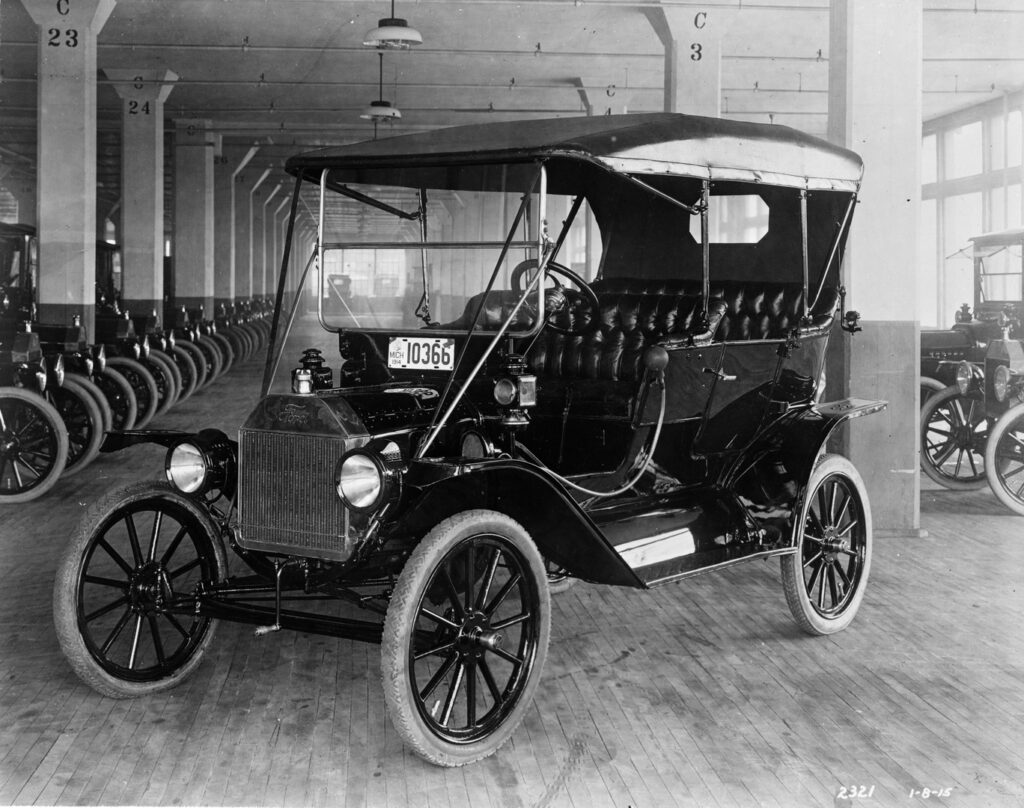
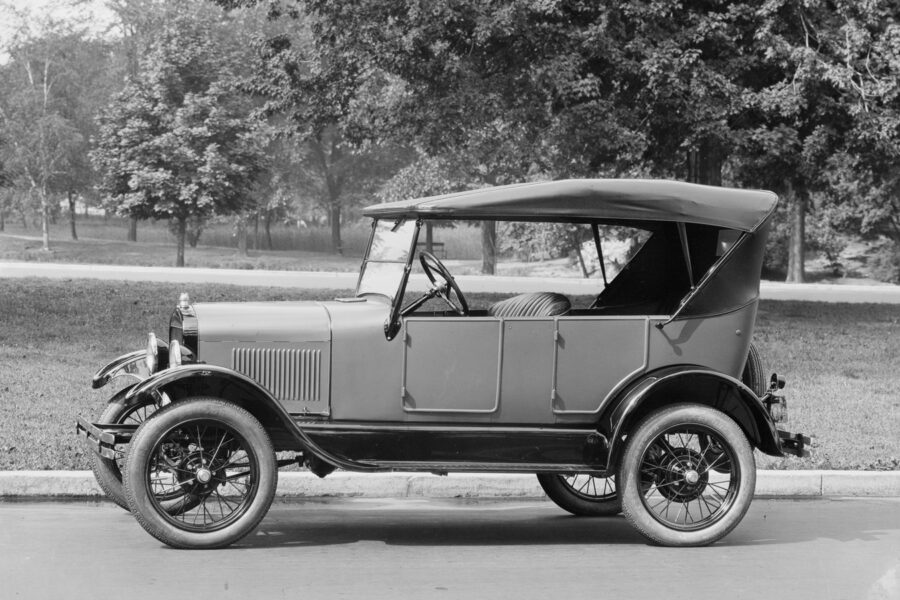
That revolution arrived in the form of the Ford Model T, a durable and easy-to-operate mass production vehicle that helped put the country on wheels.
Though introduced in 1908 at a price of $850—much cheaper than cars offered by competitors—it wasn’t until 1913 that Henry Ford pioneered the moving assembly line, drastically reducing production costs. By the 1920s, Model T prices had fallen to under $300, making them an achievable purchase for millions of Americans.
To support the growing number of drivers, roads improved and rural communities became increasingly connected. In other words, the Model T didn’t just change transportation—it also changed America.
Art Deco Designs & Moonshiner Mods
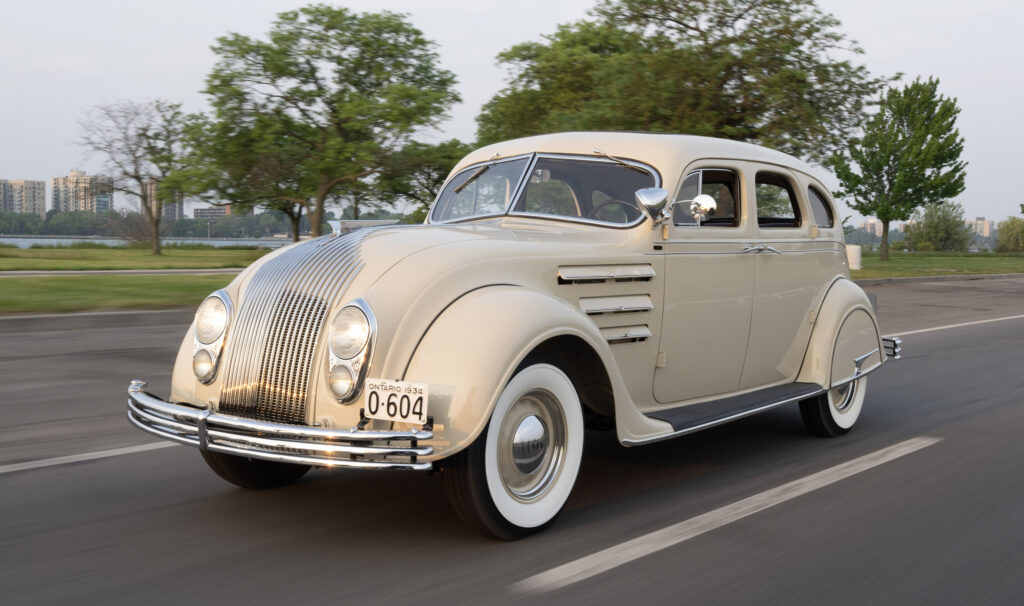
Between the 1920s and the beginning of World War II, automobiles started to evolve from a practical means of transportation into symbols of status, style and personal expression. America’s pre-war era saw the rise of vehicles that became bolder, sleeker and more powerful, with design characteristics like closed steel bodies, sweeping fenders, intricate grilles and aerodynamic teardrop styling transforming them into rolling works of art. As manufacturers competed to produce vehicles that were increasingly visually stunning, they also introduced innovative technologies, such as hidden headlights, hydraulic brakes and the V8 engine.
At the same time, another automotive culture was emerging far away from the showrooms. During Prohibition—which lasted from 1920 to 1933—bootleggers transporting alcohol sought vehicles capable outrunning law enforcement while loaded (emphasis on the word “loaded”) down with heavy cargo.
Unable to find the performance they needed in vehicles fresh from the assembly line, bootleggers began modding cars with upgraded engines, reinforced suspensions and other performance enhancements to gain an advantage. Their resourcefulness planted the seeds for hot rod culture and stock car racing, while also influencing the broader automotive performance industry.
Post-War Enlightenment
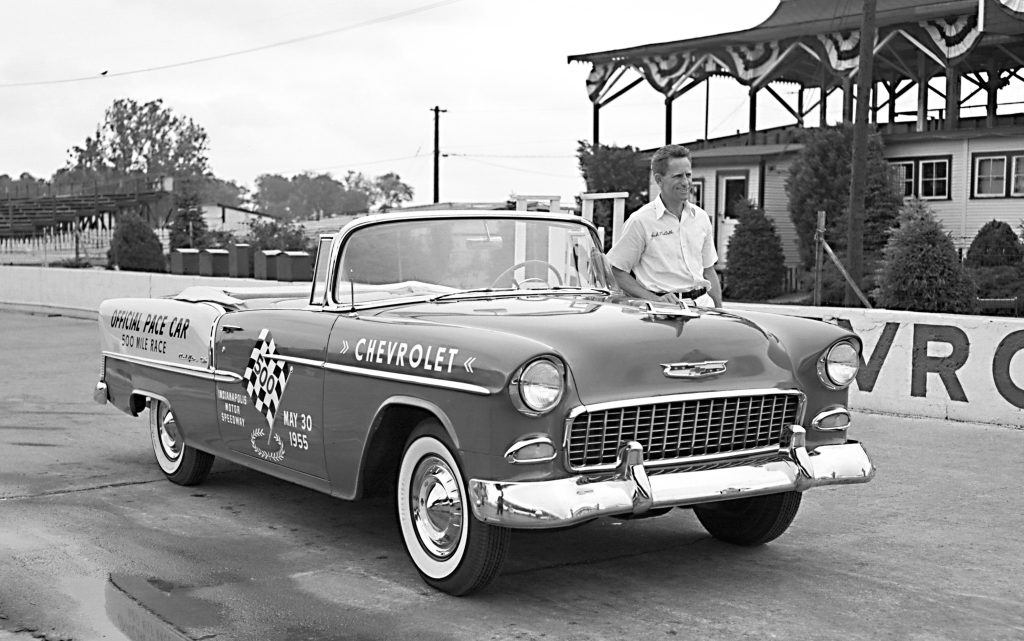
Following World War II, the United States entered a period of unprecedented prosperity that led to a surge in demand for automobiles that married style, comfort and performance.
The 1940s and 1950s saw the rise of large, stylish cars characterized by copious amounts of chrome, slab-side styling and tailfins, along with powerful, high-compression V8 engines. Some of the most iconic vehicles in automotive history stem from this era, including beloved classics like the Ford Thunderbird, Chevrolet Bel Air and the Oldsmobile Rocket 88.
During this time, the growth of suburban communities and the expansion of America’s Interstate highway System further fueled the country’s love affair with automobiles and solidified them as symbols of personal freedom. At the same time, organized drag racing started taking shape and gained legitimacy with the opening of the Santa Ana Drags in 1950 and the birth of the NHRA in 1951. It wasn’t long before the chase for maximum power led to more radical changes in automotive design.
The Muscle Car Movement
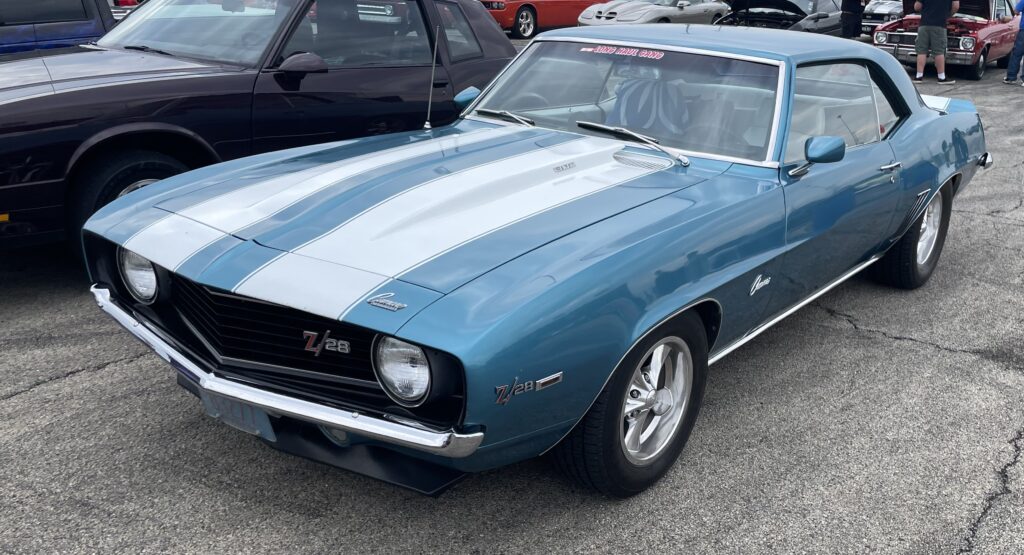
By the 1960s, automotive power and performance had become a major selling point for American consumers, and automakers responded by fitting lightweight, midsized family cars with large-displacement V8 engines. In the process they helped to create a new automotive category known as the muscle car.
Affordable, straight-line speed and aggressive, sporty styling became the name of the game, as vehicles that excelled at both—such as the Pontiac GTO, Dodge Charger, Ford Mustang, Chevrolet Camaro and AMC Javelin—captured the imagination of a generation. Muscle cars became cultural icons celebrated on the street and on the strip.
The Age of Malaise
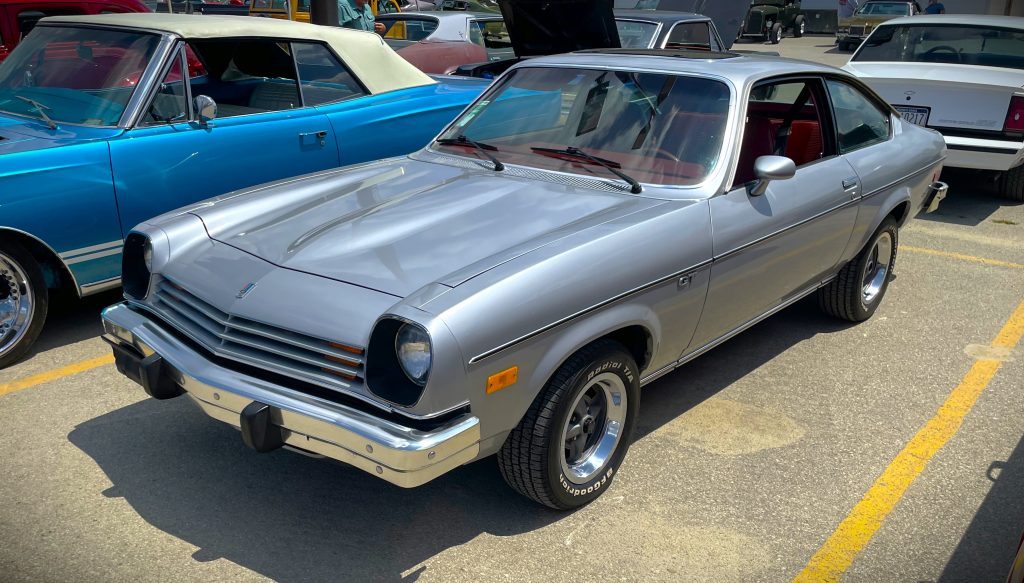
The automotive golden age ended abruptly with the 1973 oil crisis, as fuel shortages, rising gasoline prices and a number of other challenges exposed the limitations of our country’s dependence on high-powered, fuel-hungry vehicles.
While consumers began prioritizing fuel efficiency in the face of growing inflation and stagnant economic conditions, stricter federal automotive emissions control and safety requirements compounded the challenges American automakers faced. Imported automobiles compounded the challenge further by offering dependable and more efficient alternatives that proved popular with consumers. Pressed from all sides, U.S. automakers struggled to adapt.
Smaller cars like the AMC Gremlin, Chevrolet Vega and Ford Pinto took over America’s roadways, while big block V8s took a backseat to downsized 4- and 6-cylinder engines. Rear-wheel-drive platforms gave way to front-wheel-drive ones that offered better fuel mileage but notably worse engine performance. While the 80s brought improvement in vehicle technology, some of its most iconic American cars—including the C4 Corvette and Fox-body Mustang—remain among the most polarizing.
The Second Golden Age
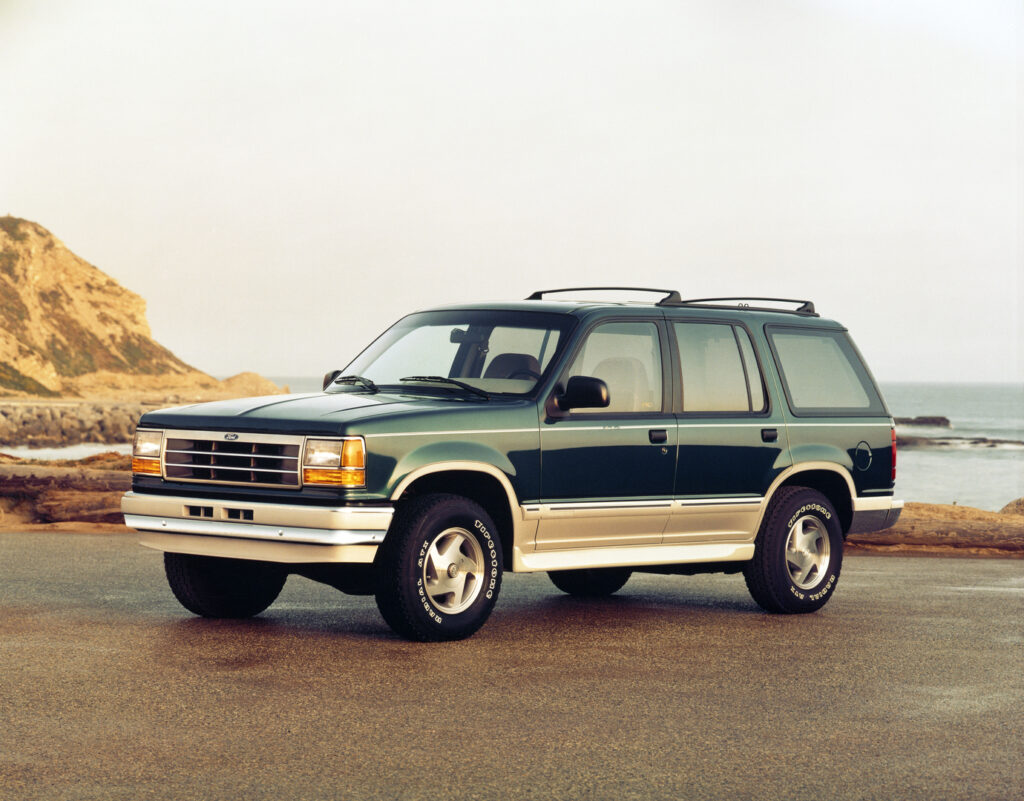
Entering the 1990s, the automotive industry had largely recovered from struggles faced during the previous two decades, with advances in engine management, fuel injection and emissions technology driving the production of vehicles that were more powerful, more efficient and more reliable than ever.
Performance cars made a comeback, with modern interpretations of muscle cars capturing the attention of enthusiasts, while the emergence of tuner culture fueled a wave of imported sports compacts.
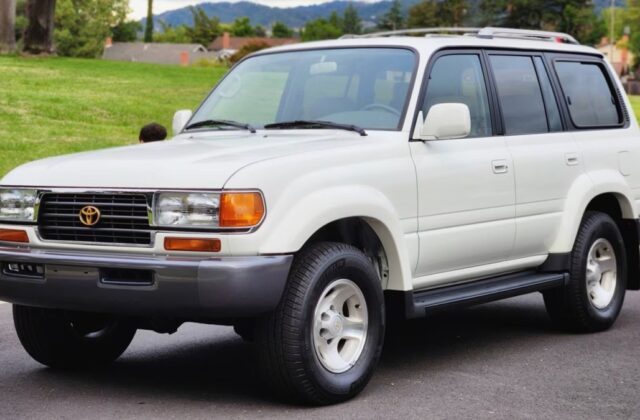
At the same time, American consumers increasingly wanted vehicles that could do more than deliver fast, fun transportation. Thanks to their inherent versatility and improvements in fuel mileage and ride quality, SUVs entered the mainstream with popular models like the Ford Explorer, Jeep Grand Cherokee and Toyota 4Runner reflecting a shift in consumer habits. Likewise, pickup trucks evolved from utilitarian machines into lifestyle vehicles that appealed to everyone from construction workers to suburban families. SUVs and Trucks have since become the best-selling vehicle categories in the U.S., stealing the crown that once belonged to the family sedan.
The Melting Pot
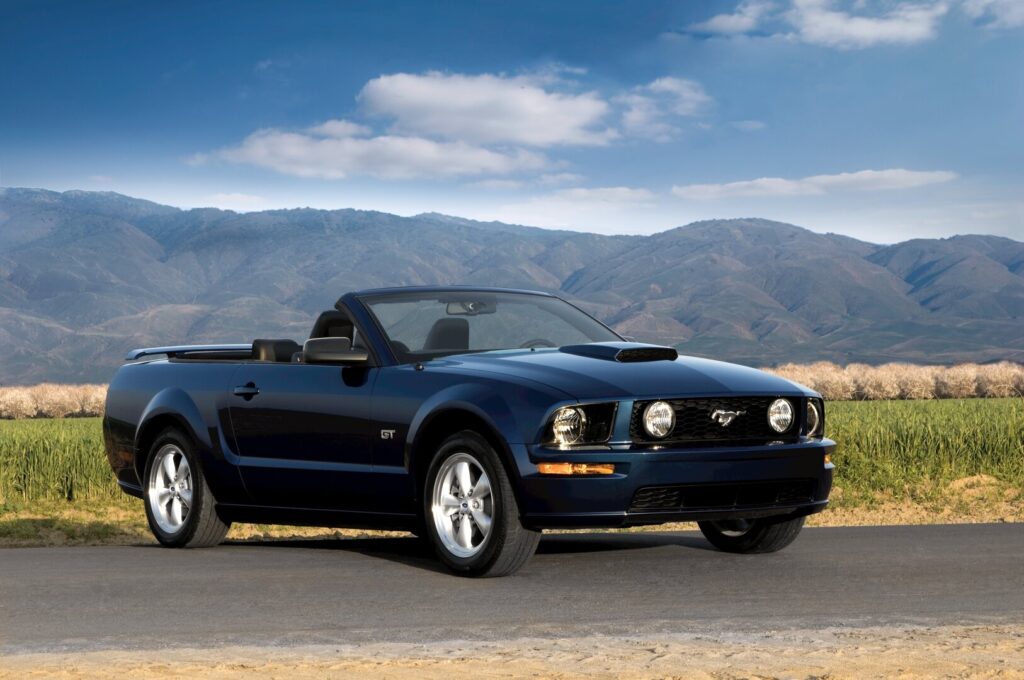
If ever there was an automotive era in the U.S. that wasn’t sure what it wanted to be, the turn of the century was it. This time in American automotive history is difficult to define because so many incongruous trends and styles came together and comingled.
Mid-Century nostalgia left its mark, with popular vehicles like the fifth gen Ford Mustang, fifth gen Chevy Camaro, third gen Dodge Challenger and Chrysler PT Cruiser strongly reflecting design cues from bygone eras. Tuner culture exploded into the mainstream—driven in no small part by The Fast and the Furious movie franchise—as cars like the Honda S2000, Mitsubishi Lancer Evolution, Mazda RX-7, Nissan 350Z and Toyota Supra became icons. SUVs and pickup trucks continued to exert their dominance in the market, further squeezing family sedans out of the spotlight. The Hummer existed.
On the aftermarket side, enthusiasts modified anything and everything as motorsports and automotive media helped popularize customization with a new generation of drivers. In fact, if there was one common theme across these disparate categories, it was the way in which personalization served as a major driving force.
Sustainable Tech Takeover
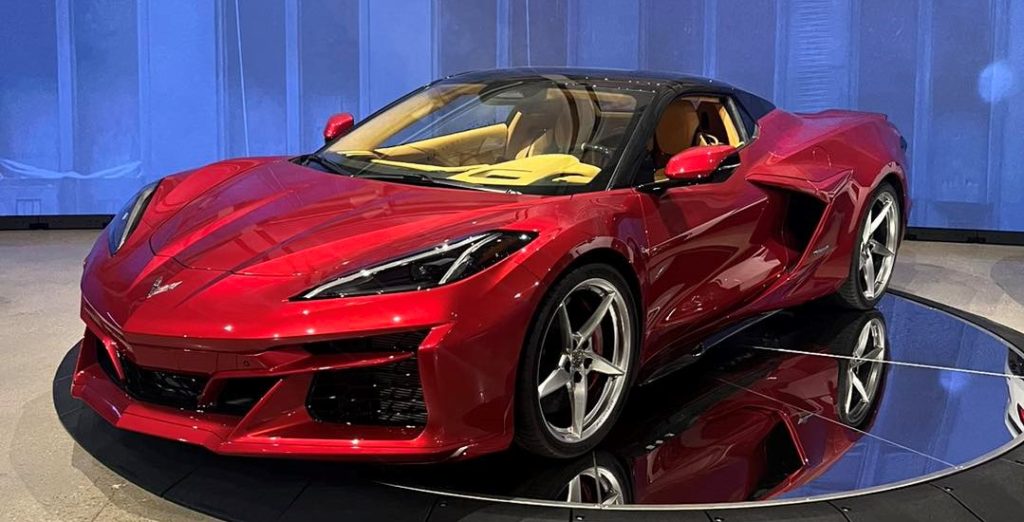
While the love for the traditional internal combustion engine remains strong, evolving powertrain technology has given today’s car buyers more options than ever before.
More than two decades since the Toyota Prius brought the technology into the mainstream, hybrid vehicles have become the fastest-growing automotive segment in the U.S., accounting for nearly 20 percent of new vehicle sales by late 2025. Meanwhile, advances in battery technology, charging infrastructure and software have helped transform fully electric vehicles from niche products into viable, mainstream transportation options for many people. Legacy manufacturers have launched electric versions of familiar models (we still can’t believe there’s an EV SUV Mustang in the universe), while newer companies like Tesla and Rivian have challenged long-standing vehicle design and performance standards.
Beyond powertrains, other trends have emerged or continued. Modern vehicles are becoming increasingly like smartphones capable of utilizing over-the-air updates and subscription-based touchscreen services. Some automakers have leaned into ultra-futuristic vehicle designs, while others have continued to ride the retro wave with elements that take inspiration from the boxy vehicles of the 1970s and 80s. Lastly, practical, fun and relatively cheap compacts and subcompacts have made a comeback with budget-conscious consumers and enthusiasts.
Looking to the Future
America’s automotive history is a story of perpetual reinvention, with each era reflecting the interests and priorities of people at the time. It’s also a story that continues to be written.
From the first gasoline-powered automobiles to today’s advanced offerings, the automotive industry keeps evolving alongside the nation it has helped shape. As new technologies enter the picture and consumer expectations change, future generations will undoubtedly look back on today’s vehicles as the beginning of something new.